Plantain: Identification, Foraging and First-Aid Uses
A practical guide to broadleaf and ribwort plantain: how to identify both, where to forage them in the UK,...

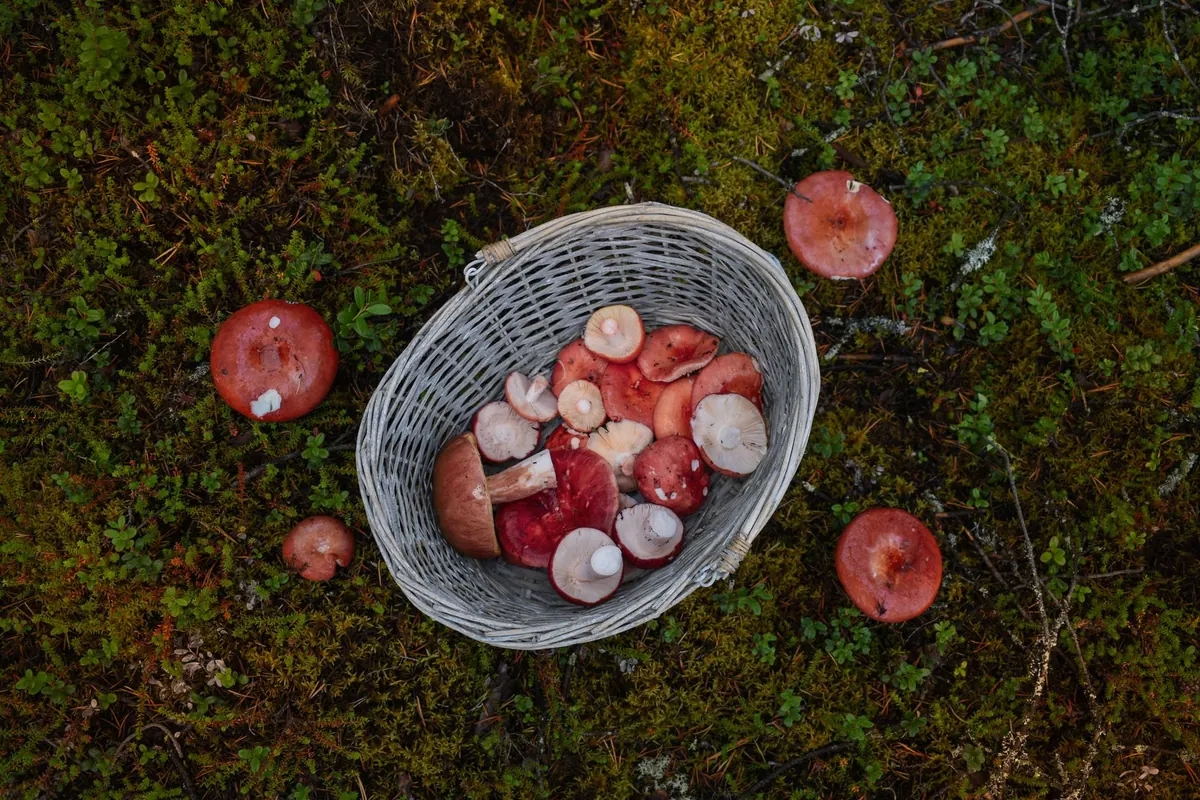
Few things feel better than coming home with a basket of something you identified yourself. Rather fewer things feel worse than realising later that you guessed. Foraging rewards patience and punishes confidence, and most of the mistakes people make are not exotic ones — they are the same handful of errors, repeated by beginners and old hands alike. Here is what tends to go wrong, and what to do instead.
Almost every useful wild herb has relatives that resemble it closely, and a few of those relatives are genuinely dangerous. Cow parsley is easily confused with hemlock and hemlock water dropwort. Wild garlic leaves look much like lily of the valley and autumn crocus. The pattern is always the same: the plant you want has a duller, milder twin, and you are looking at a single leaf rather than the whole plant.
Identify on a stack of features, never one. Check the stem — is it hollow, ridged, hairy, spotted? Look at how the leaves attach and whether they are opposite or alternate. Crush a leaf and smell it; genuine wild garlic smells unmistakably of garlic, while lily of the valley smells of nothing much. Look at the flowers, the seed heads, and the root before you commit.
Two habits do most of the work here:
Phone apps are a useful prompt and a poor authority. So is a friend who is "pretty sure". If you are new to a species, start with tiny quantities of things that have no dangerous relatives, and build up slowly.
A perfectly identified plant growing in the wrong spot is still a bad harvest. Roadside verges catch exhaust particles, tyre dust and the occasional splash of herbicide, and busy kerbsides are worst right where the leaves look most lush. Laybys, dog-walking paths at leg height, sprayed field margins, railway embankments, golf courses, and industrial ground all carry their own problems — chemical, bacterial, or simply unknown.
Get well away from traffic, ideally twenty metres or more, and prefer clean ground you can see the context of: old hedgerows, woodland edges, unsprayed meadows, quiet footpaths away from parking. If you cannot work out who manages the land, that is usually a sign to find somewhere else. Wash everything at home, and if it is visibly dusty or has been rained on by a road, don't bother.
"It's only one plant" is fine once. It stops being fine when a hundred people make the same reasonable decision about the same small patch. Harvest so that a stranger walking past afterwards could not tell you had been there.
Take a little from many stands rather than everything from one. Cut with scissors instead of tearing, leave the older and weaker plants, and leave seed heads so the patch can recover. Uprooting is a different category altogether: some roots and bulbs are slow-growing, and digging them up damages more than you take. If you want roots, choose abundant species and take only a few.
Permission comes before identification. On private land, that means asking the landowner — a polite message to a farm or estate office usually gets a straight answer. On public and charity-managed land, bylaws and reserve rules vary enormously, and many designated nature sites restrict plant collection entirely. Rules also differ between countries and even between neighbouring councils, so anything you read online may not apply where you are standing.
Protected species are a separate matter again, and picking for commercial use — selling jams, tinctures or dried bundles — brings in yet more requirements. If you intend to sell anything, or you are unsure whether a site permits harvesting, take proper professional advice before you pick rather than after.
Timing changes everything. Leaf herbs are usually best before the plant flowers, while the growth is soft and the aroma is strongest; nettle tops in early spring are tender, and tough and gritty by midsummer. Flowers are at their best just as they open, and seed heads should be gathered dry and ripe, never after rain. Roots and rhizomes are a late-autumn job, once the top growth has died back.
Skip anything wilted, mildewed, insect-riddled or growing in deep shade where it has stayed damp. A healthy plant in good condition is worth ten sorry ones, and you will spend less time sorting and more time using what you brought home.
Most spoilage happens in the hour after picking. Use a shallow basket, paper bag or cotton tote rather than a sealed plastic bag, which steams the leaves and turns them to slime. Keep species separate so a single bad leaf does not ruin the whole lot, and label anything you plan to dry with the plant name, the date and the place.
Keep the harvest out of the sun and process it the same day where you can: wash and use the soft herbs fresh, or spread them thinly somewhere warm and airy to dry. Anything damp should be dried immediately or composted. If you are taking herbs medicinally, remember that wild plants are not automatically gentle — some interact with prescription medicines, and many are unsuitable in pregnancy or for children. Check with a qualified herbalist, pharmacist or doctor before using them that way.
Do that consistently and foraging becomes what it should be: slow, deliberate, and genuinely useful. The plants will still be there next year, and so will your confidence in what is in the basket.
Photo: carboxaldehyde / Pexels
A practical guide to broadleaf and ribwort plantain: how to identify both, where to forage them in the UK,...
Cold water draws out the delicate aromatics and soothing gels that heat destroys. Here is how to make a...
A month-by-month guide to UK foraging, from March nettles to winter jelly ear, with practical picking...